Latvian startup instadial has developed a voice artificial intelligence (AI) assistant that can both answer and place phone calls, hold full conversations with customers, book services, and automate a range of customer-service processes. The solution was created first for the healthcare sector, where medical practices deal every day with a high volume of incoming calls and the need to remind patients about upcoming visits, but the company is already working to adapt the product for the insurance, real estate, and other service industries as well.
The solution works as a virtual customer-service assistant that can carry on a full conversation with a customer, understand free-form speech, and respond to a variety of requests. Before it is deployed, it is tailored to the specific company's needs and integrated into its customer-service and booking systems. This means the assistant can not only answer questions about services but also offer available appointment times with specific specialists, make, reschedule, or cancel bookings, and, after the call, send the customer a summary by text message or email. The solution can handle up to 100 parallel calls at the same time.
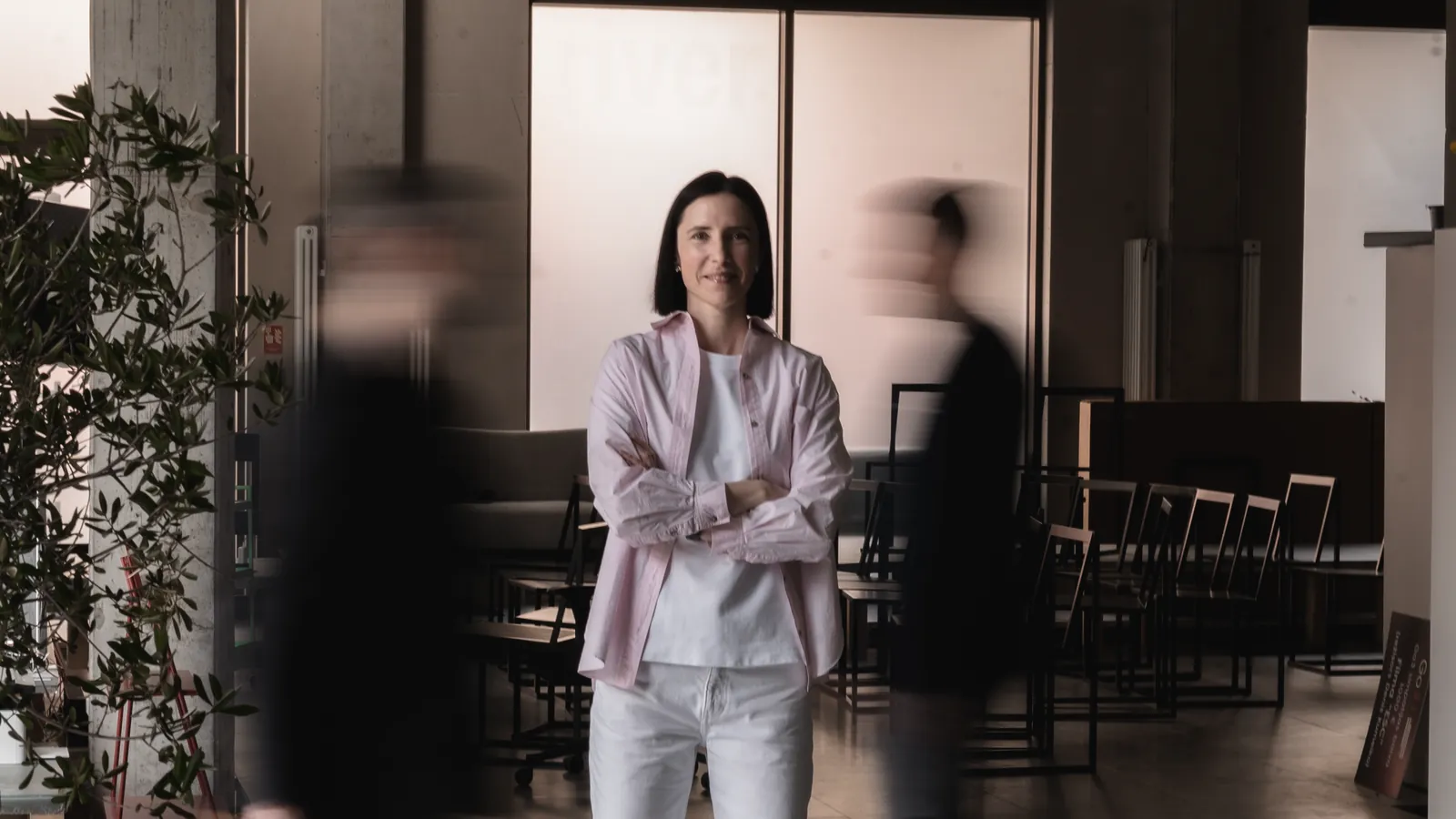
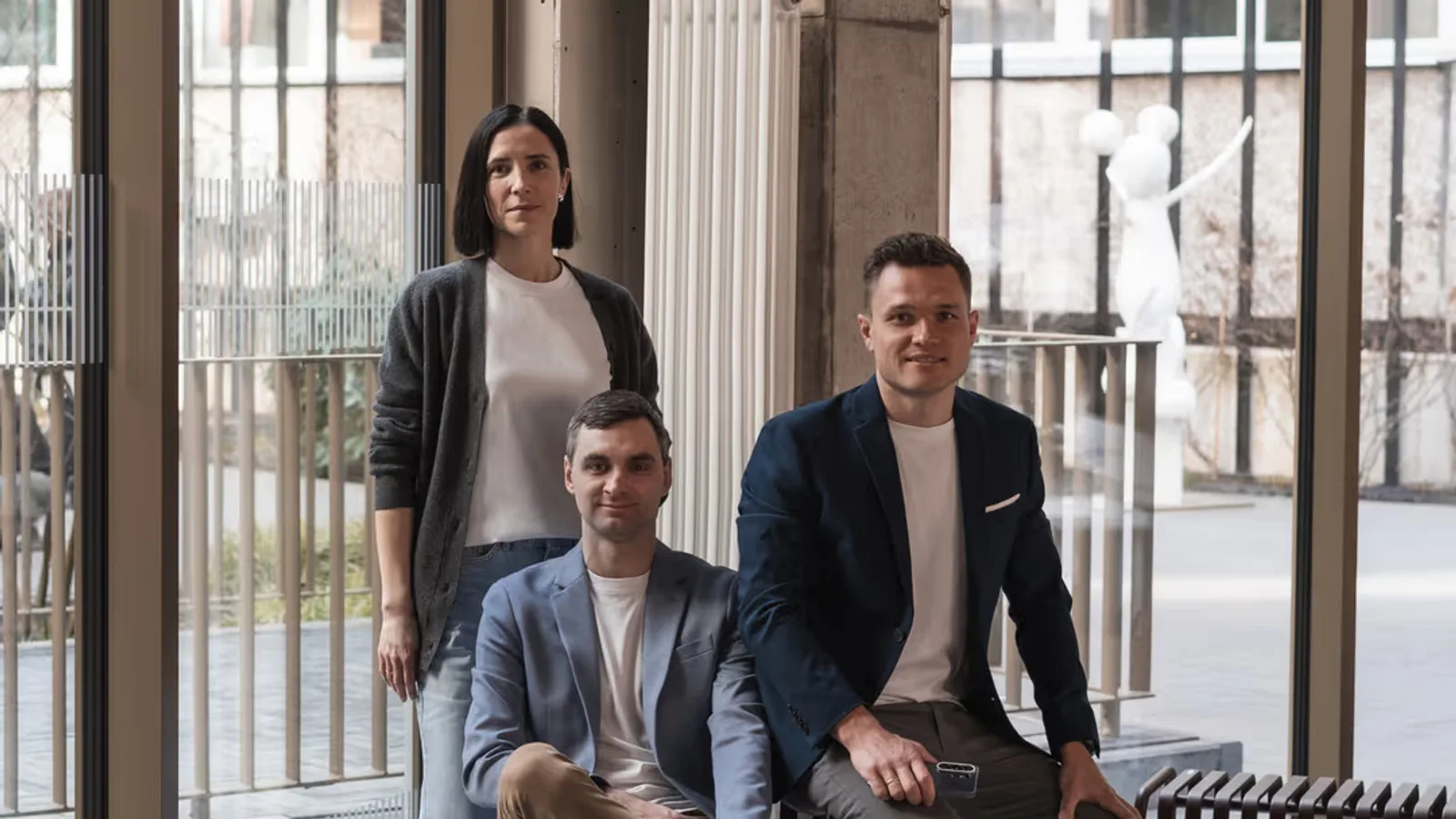
instadial's core is made up of three co-founders - Olga Ļesņikoviča-Riņķe, Jānis Cīrulis, and Klāvs Slavenieks - combining experience in business development, sales, and artificial-intelligence technology development. The idea for such a solution was born at the end of 2025 at an artificial-intelligence hackathon. At first the team worked on a solution for automated reminder calls, but it soon became clear that the technology's potential was much broader.
We saw that clinics and other service providers lose customers every day not because of poor service, but simply because they can't answer every call. We realized this is a problem we can solve with artificial intelligence.- Olga Ļesņikoviča-Riņķe, instadial co-founder
After winning the hackathon, the team focused on product development and market validation, working with medical practices and testing the solution in real-world conditions. The first pilot projects confirmed strong industry interest, so the company was founded as early as March this year and active commercialization of the product began. Now, just a few months after the company was founded, instadial has already run pilot projects in more than 10 Latvian clinics, won its first paying customers, and continues talks with potential partners in both healthcare and other industries.
We're not marching under a banner of wanting to replace people. Our goal is to ease routine work and let administrators spend more time with patients and on more complex tasks. Every project starts by studying the client's work processes - we understand what calls the company receives, what information customers need, and what systems are already in use. After that, the AI assistant is tailored to the specific company's needs, trained to work with the required information, and integrated into existing systems, so that it can not only answer questions but also make bookings, reschedule or cancel them, and carry out other customer-service functions.- Olga Ļesņikoviča-Riņķe, CEO of instadial
When the company was founded this March, instadial also joined the business incubation program of the Investment and Development Agency of Latvia (LIAA). The company's head acknowledges that at a time when a product is turning from an idea into a commercial solution, the chance to receive expert consultations, development support, and the opportunity to discuss business-development directions with experienced specialists is especially valuable.
Although the company's initial focus was healthcare, during the pilot projects the team found that similar problems occur across a much wider range of service companies. That is why, alongside its work with medical practices, instadial is now also developing cooperation with insurance, real estate, and companies in other industries where phone-based customer service plays an important role every day.
The more we talked with companies from different industries, the more we realized the problem isn't unique to medicine. Our team has presented the solution to representatives of the Ministry of Health, discussing the possibilities of artificial intelligence for developing healthcare communication processes at the national level. Discussions like these with industry institutions provide valuable feedback and help refine the solution, ensuring it matches the industry's needs and priorities. Real estate agents, insurers, and other service providers also receive a large volume of calls every day that can't always be answered right away. In real estate, for example, the virtual assistant can become a full-fledged helper for the agent - it knows all the properties, their prices, size, location, and other details, so it can answer most of a potential buyer's or tenant's questions even before the conversation with the agent. And if a customer is interested in a specific property, the assistant can immediately book a time for a viewing or a call.- Olga Ļesņikoviča-Riņķe, CEO of instadial
The company is convinced that over the next few years voice AI assistants will become just as common a customer-service tool as chatbots or online booking systems. There are more and more similar solutions on the market, but the decisive competitive factor, they say, is quality, security, and the ability to integrate into companies' everyday processes.
Some people are already ready today to talk with a virtual assistant, while others still prefer communicating with a human. That's completely understandable, because habits are still changing right now. Yet it's clear that artificial-intelligence solutions will gradually take on an ever more significant role in customer service. In recent years AI technologies have become far more accessible, so the number of competitors on the market is growing too, but technology alone isn't enough. It's important for customers to know where their data is stored, how it is processed, what security requirements are followed, and who takes responsibility for how the solution works. This is especially crucial in healthcare and other industries that work with sensitive information every day.- Olga Ļesņikoviča-Riņķe, CEO of instadial
Accordingly, the company pays particular attention to data security and compliance with regulatory requirements, and is also preparing to obtain international certification.
The instadial assistant currently works in Latvian, English, and Russian. The company notes that working with the Latvian language is one of its most important competitive advantages, because most international solutions are developed primarily for large markets, while high-quality voice assistants tailored to smaller languages are still relatively rare.
Although the company already receives interest from abroad and is holding its first talks with potential partners in Lithuania, Estonia, Poland, and Germany, its near-term priority is to strengthen its position in the Latvian market. The company's representatives believe that it is precisely in the local market that the product can be refined and experience gained before faster growth abroad.
This article was produced as part of the project "SME development for innovative entrepreneurship," co-financed by the European Regional Development Fund and the European Union.